
People
What is a credit score and why does it matter?

Last reviewed April 2026 i QUICK ANSWER A credit score is a number, typically between 0 and 999, that lenders use to assess how reliably you manage borrowing and repayments. The higher your score, the more likely you are to be approved for credit and offered lower interest rates. Scores are calculated by the three…
Read MoreA default can stop you getting credit
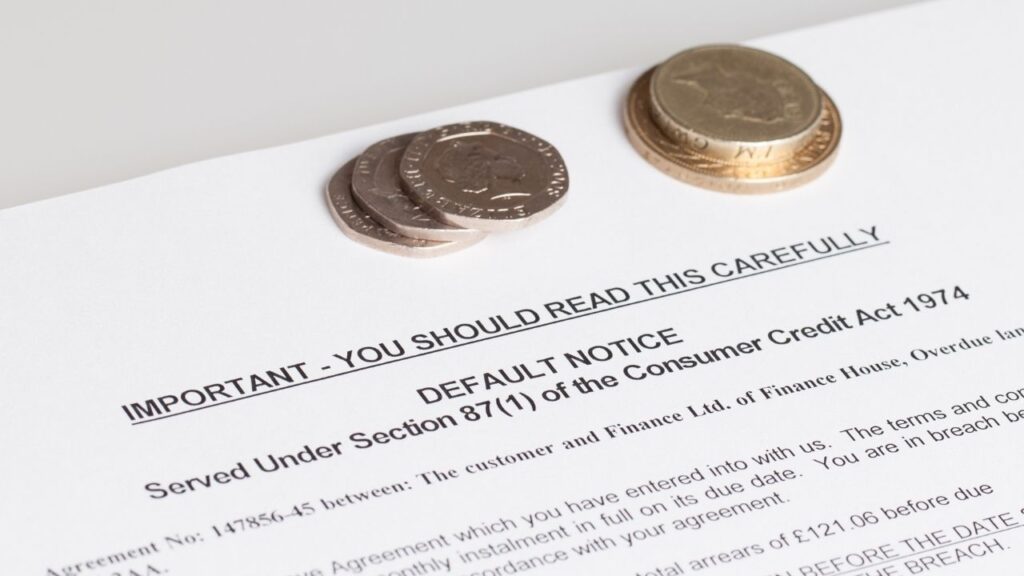
Last reviewed April 2026 i QUICK ANSWER A default is registered on your credit file when you miss six consecutive payments on a credit agreement. It stays on your file for six years and makes it significantly harder to be approved for credit. You can still take steps to improve your profile while waiting for…
Read MoreHow lenders make credit decisions

Last reviewed April 2026 i QUICK ANSWER Lenders decide whether to offer you credit by assessing risk. They look at your credit score, repayment history, debt levels, income, affordability and address stability — drawing on data from credit reference agencies like Experian, Equifax and TransUnion. No single factor guarantees an approval or decline. When you…
Read MoreWhat is a missed payment?
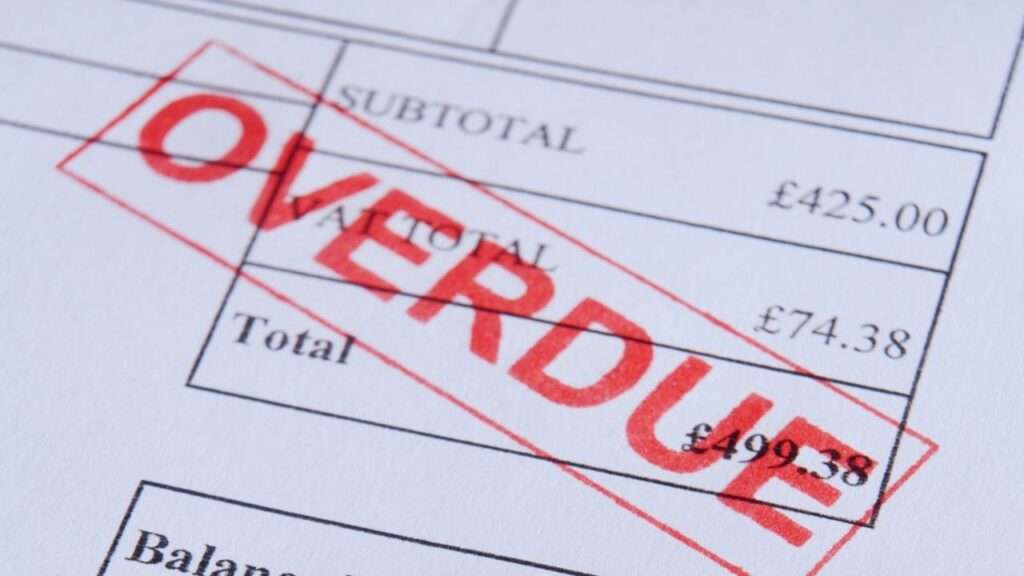
Last reviewed April 2026 Quick answer A missed payment is when you don’t make a payment on the date agreed during a billing cycle — usually 30 days — to your lender. Lenders report missed payments to the three UK credit reference agencies (Experian, Equifax, TransUnion), where they can lower your credit score and affect…
Read MoreHow to improve your chances of being approved for credit

Last reviewed March 2026 i QUICK ANSWER Lenders assess your creditworthiness before approving any application. You can improve your chances by paying bills on time, registering on the Electoral Roll, keeping credit utilisation low, avoiding multiple applications in a short period, and checking your credit report for errors. When you apply for credit, whether a…
Read MoreWhat is a thin credit file and how does it affect your loan application?

Last reviewed March 2026 i QUICK ANSWER A thin credit file means little or no credit history. Lenders use your credit history to decide whether to lend. So a thin file can lead to declined applications or less favourable terms. Why you might have a thin credit file There are several common reasons. These can…
Read More