
Jargon busting
What is a Notice of Correction and when should you add one to your credit file?

Last reviewed August 2026 i QUICK ANSWER A Notice of Correction is a short statement – up to 200 words – that you can add to your credit report to explain a negative entry. It doesn’t change your credit score, but it gives lenders context that may influence a manual credit decision. You can add…
Read MoreCredit Unions and Banks: what’s the difference?

Last reviewed May 2026 i QUICK ANSWER A credit union is a member-owned, not-for-profit cooperative. A bank is shareholder-owned and profit-driven. Both offer savings and loans, both are regulated by the Financial Conduct Authority (FCA), and both protect your money up to £120,000 under the Financial Services Compensation Scheme (FSCS). When it comes to borrowing…
Read MoreWhat is a thin credit file and how does it affect your loan application?

Last reviewed March 2026 i QUICK ANSWER A thin credit file means little or no credit history. Lenders use your credit history to decide whether to lend. So a thin file can lead to declined applications or less favourable terms. Why you might have a thin credit file There are several common reasons. These can…
Read MoreWhat is a credit union?
Last reviewed January 2026 i KEY TAKEAWAYS Member-owned and not-for-profit. Any surplus goes back to members, not shareholders Offers savings accounts and personal loans with government-capped interest rates Membership requires a “common bond” (area, employer, or community group) Savings protected up to £120,000 by the Financial Services Compensation Scheme (FSCS) — same as high street…
Read MoreAPR explained

If you’ve ever applied for a loan or credit card, you’ll have come across the term “APR.” It is a term that confuses many people. But what exactly does it mean? NestEgg cuts the jargon, and explains why higher rates aren’t always as expensive as they seem. What is APR? APR stands for Annual Percentage…
Read MoreBuy Now Pay Later Schemes: How vulnerable do they make you?
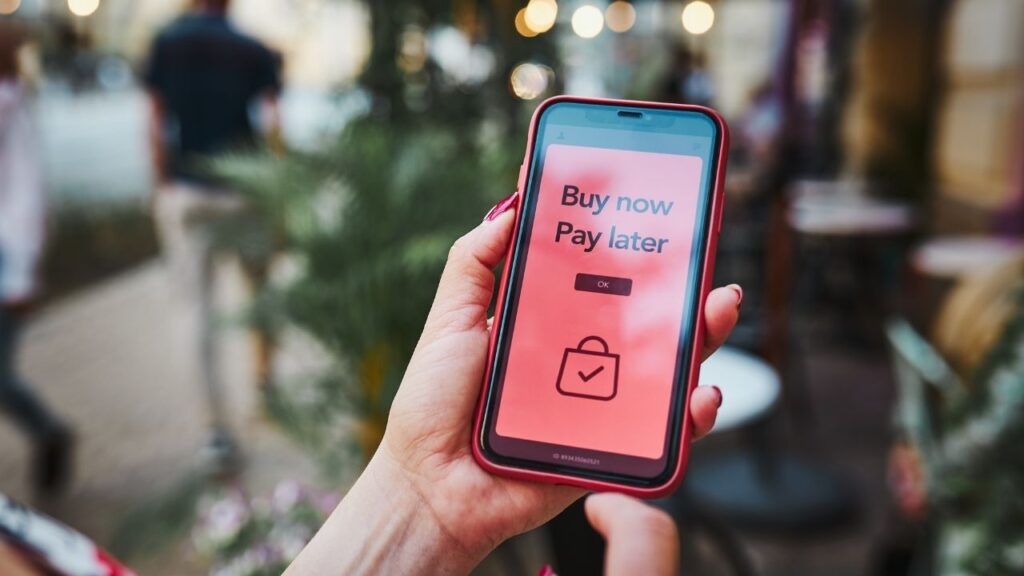
Buy Now Pay Later (BNPL) schemes have become increasingly popular over recent years. They allow individuals to purchase goods and services and spread the cost (interest-free) over a number of monthly instalments. Some retailers have their own BNPL scheme, however many use a third-party provider such as Klarna, and Afterpay. When an individual opts into…
Read More